

The Kamado-san donabe is a traditional Japanese clay rice cooker made by Nagatanien in Iga, Mie Prefecture, a region known for heat-retaining clay, and the CT-50 five-cup model in our product box is the version most home cooks buy. It is our top pick for anyone who wants authentic stovetop rice with a deep, slightly sweet flavor and a gentle crust if you like it, because its double lid traps steam like a pressure cooker, the thick clay walls hold and spread heat evenly, and the pot can go from stovetop to table as a serving dish. The trade-off is that it needs seasoning before first use, careful handling to avoid cracks, and a little practice with timing. It works on gas burners and is not designed for induction or electric coil stoves, so check your cooktop before buying. Prices change often, so check current listings.
Donabe means clay pot in Japanese, and donabe cooking has a long history in Japanese homes. The pot is shaped to mimic the traditional kamado wood-fired stove, and its double lid is the key design feature: the inner lid seals the rice, while the outer lid traps extra heat and steam. Many cooks say the result tastes noticeably different from electric rice cookers, with each grain plump and glossy. This review explains how to season and use it, typical cooking times, care tips, and how it compares with electric cookers.
Kamado-San Donabe: Top Picks
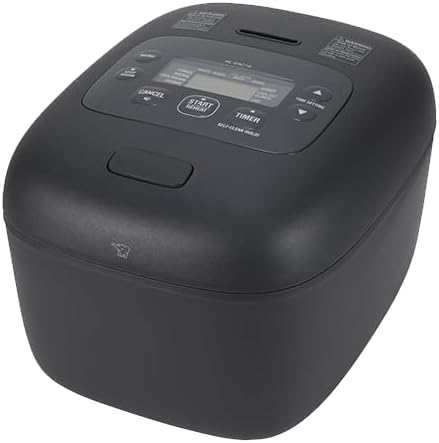
Our top pick is the Nagatanien Kamado-san CT-50 donabe for authentic, flavorful stovetop rice in a five-cup size. It appears in the box below.

Pros
- Traditional clay construction delivers far infrared heat and excellent heat retention.
- Double lid minimizes spills and supports pressure cooking functions.
- Works for white rice and brown rice with a savory finish.
- Compact 5-cup size is manageable for smaller kitchens and households.
Cons
- Requires a gas stovetop and manual timing, so it is not a set-and-forget electric appliance.
- Clay body is heavy at about 11 pounds and can chip or crack with rough handling.
- Five-cup capacity may be too small for large families or batch cooking.
The NAGATANIEN Kamado-san CT-50 is a Japanese donabe rice cooker made from Iga clay and sized for five rice cups. It is aimed at home cooks who want traditional stovetop rice with a fluffy texture and are comfortable managing heat and timing on a gas burner.
Standout performance comes from far infrared heat and the double lid, which work together to push heat into the core of the rice and reduce spillovers. The thick clay walls hold heat after cooking, and the porous material helps keep rice from turning overly sticky.
Build quality is substantial, with a heavy clay body and a black finish that feels artisan-made rather than appliance-like. Because each piece is fired, small variations in size, weight, and color are normal and should be expected.
Drawbacks include the need for a gas stove, hands-on cooking, and careful handling of a fragile clay pot. The five-cup capacity is modest, and the pot weighs about 11 pounds, so it is not ideal for every kitchen.
Overall, the Kamado-san CT-50 is a strong choice for cooks who value traditional Japanese rice cooking and are willing to trade convenience for flavor and texture. It rewards attention to technique, but it is not a direct replacement for a push-button electric rice cooker.
Brand: NAGATANIEN
Model: CT-50
Capacity: 5 rice cups
Material: Clay
Color: Black
Dimensions: 10.2 x 10.2 x 8.3 inches
Item Weight: 5 kg
Included Components: Instruction Manual
Pot Purpose: Rice cooking
Kamado-San Donabe Reviewed
The Kamado-san donabe is a single-product focus here, so the review below covers its design, performance, strengths, and limitations in detail.
- Nagatanien Kamado-san CT-50 Donabe Rice Cooker: Our top pick. A five-cup Iga-yaki clay pot with a double lid that seals in steam, thick walls for even heat, and a design that doubles as a serving pot. It suits gas stove users who value flavor and tradition.
- Strengths: Excellent flavor and texture, even heat from the clay, beautiful presentation at the table, and no electronics to fail.
- Limitations: Requires seasoning, careful handling, and attention to timing. It weighs about eleven pounds, can chip if handled roughly, and not suitable for induction cooktops.
Kamado-San Donabe Buying Advice
Deciding whether the Kamado-san donabe is right for you is easier when you consider your stove, capacity, time, and care.
Stove
Stove type matters most. The Kamado-san is designed for gas burners; check the manufacturer’s guidance before using other heat sources.
Capacity
Capacity suits small families. The CT-50 cooks up to about five cups of rice, though many cooks use two to three cups for daily meals.
Time
Time and attention are part of the experience. Cooking takes about thirty to forty minutes including resting, and you need to adjust the flame.
Care
Care keeps the pot in good condition. Season it before first use, let it cool slowly, and dry it fully before storage.
Seasoning a New Clay Pot
Before first use, cook a thin rice porridge in the pot and let it sit, which fills the clay’s tiny pores and helps prevent cracks and leaks. Follow the manufacturer’s instructions closely, then wash gently and dry thoroughly. Repeat seasoning if the pot starts to absorb odors or seep.
How to Cook Rice in the Donabe
Rinse rice well, soak for twenty to thirty minutes, and add water according to the guide. Cook over medium-high heat until steam escapes from the lid holes, then turn off the heat and let the pot rest so residual heat finishes the rice. Rest before opening for fluffy grains.
Cleaning and Storage
Let the pot cool completely before washing with water and a soft sponge, avoiding harsh detergents that the clay can absorb. Dry it upside down for a day before storing to prevent mold.
Kamado-San Versus Electric Rice Cookers
Electric cookers are convenient and hold rice warm, while this clay pot offers better flavor and a ritual many cooks enjoy. Some households keep both, using the donabe for weekends and special meals.
Related Guides
For more traditional options, see the best donabe rice cooker and the cast iron rice cooker guides. You can also compare the best stovetop rice cooker.
Kamado-San Donabe: Final Verdict
The Kamado-san donabe is one of the best ways to cook authentic, flavorful rice on a gas stove. Choose it if you value taste and tradition and are happy to season and care for clay, and choose an electric cooker if you want push-button convenience.
Kamado-San Donabe FAQs
Cooks considering the Kamado-san donabe often ask about stoves, seasoning, and capacity, so here are clear answers.
Can I use a Kamado-san on an electric or induction stove?
The Kamado-san is designed for gas burners and is not suitable for induction cooktops. Using it on other heat sources may risk uneven heating or cracking. Check the manufacturer’s current guidance before using it on anything other than gas.
Why do I need to season a donabe?
Seasoning fills the tiny pores in the clay with starch, which strengthens the pot and helps prevent cracks and water seeping through. It also reduces odors absorbed by the clay. Season before first use and again if the pot starts to leak.
How much rice does the CT-50 make?
The CT-50 is designed for up to about five cups of rice, though many households cook two to three cups at a time. Smaller amounts cook well with adjusted water and timing. Follow the included guide for ratios.
How long does rice take in the donabe?
After soaking, cooking typically takes about thirteen to fifteen minutes of heating followed by twenty minutes of resting, though times vary with quantity and flame. Practice helps you learn when to turn off the heat. Resting is essential for the best texture.
Is the clay pot fragile?
Clay pots are more fragile than metal and can crack if dropped or exposed to sudden temperature changes. Let the pot cool slowly and avoid placing it on cold, wet surfaces while hot. With care, the pot can last many years.





Write Your Review
No reviews yet. Be the first to share your experience!